
Lab safety training is crucial for Detroit-Livonia-Dearborn's thriving scientific community, offering specialized courses to enhance employability and ensure robust laboratory practices. Key aspects include risk assessment, flexible management, and holistic approaches. Training covers personal protective equipment (PPE), emergency shutdowns, evacuation plans, and best practices tailored to diverse research fields. Local community colleges provide foundational skills, while advanced programs address specific challenges like hazardous materials handling. Real-world case studies, continuous improvement, and open dialogue ensure safe laboratories and opportunities for those seeking lab work in the region.
In the dynamic landscape of scientific research and laboratory work, ensuring safety is paramount. Lab safety training courses play a pivotal role in safeguarding professionals and fostering responsible practices. However, accessing comprehensive and effective training can be challenging, especially for those seeking opportunities in the Detroit-Livonia-Dearborn area. This article delves into the critical need for robust lab safety education, highlighting the potential risks and offering a solution to find specialized Lab Work in Detroit-Livonia-Dearborn that aligns with industry standards. By exploring available training courses, we aim to empower local professionals and contribute to a safer scientific environment.
- Understanding Lab Safety Protocols: Essential Basics
- Identifying Risks in Detroit-Livonia-Dearborn Labs: A Comprehensive Guide
- Hands-On Training for Beginners: Finding Local Courses
- Specialized Programs: Tailored Safety Education in MI
- Real-World Case Studies: Learning from Experience
- Continuous Improvement: Staying Safe in the Lab Long-Term
Understanding Lab Safety Protocols: Essential Basics

Understanding Lab Safety Protocols: Essential Basics
Lab safety training is paramount for anyone stepping into a laboratory environment. In Detroit-Livonia-Dearborn, where numerous local lab technician openings and Livonia MI lab assistant positions are available, ensuring compliance with safety protocols not only protects individuals but also ensures the efficient operation of these facilities. The foundation of lab safety lies in comprehending basic procedures designed to mitigate risks associated with chemical exposure, biological agents, and potential hazards unique to laboratory settings.
For instance, proper personal protective equipment (PPE), such as gloves, safety goggles, and lab coats, serves as a first line of defense against hazardous substances. Training in their correct donning and doffing procedures is crucial, as is understanding the specific PPE required for different types of experiments. Moreover, familiarity with emergency shutdown protocols and evacuation plans can significantly reduce panic and enhance response times during unforeseen incidents.
Regular training sessions conducted by certified professionals are key to keeping lab staff informed about updated safety standards and best practices. Many local institutions offer such courses tailored to diverse scientific fields, enabling participants to find lab work fast in Detroit, Livonia, or Dearborn within their area of expertise. Data from recent surveys indicate that facilities with robust safety training programs experience fewer accidents and more efficient operations, underscoring the importance of continuous education in this domain.
To maximize your opportunities for local lab technician openings or Livonia MI lab assistant positions, consider proactive measures like enrolling in specialized safety training courses. These not only enhance your employability but also foster a culture of safety within laboratories, ensuring that everyone returns home safely at the end of each shift—a critical aspect of any successful scientific endeavor.
Identifying Risks in Detroit-Livonia-Dearborn Labs: A Comprehensive Guide
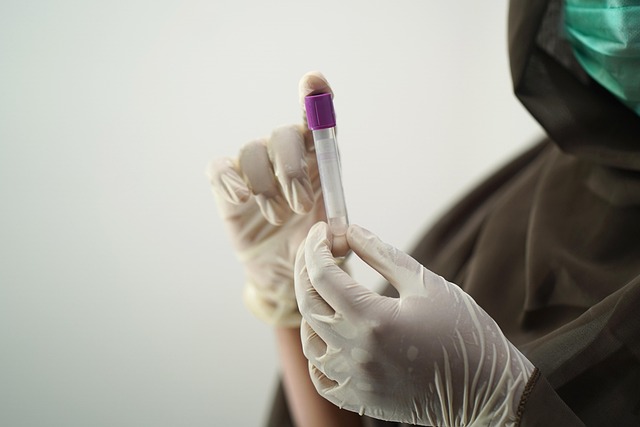
Navigating the complex landscape of lab safety is an indispensable skill for anyone working in a Detroit-Livonia-Dearborn laboratory setting. This comprehensive guide delves into the critical aspect of identifying risks specific to this vibrant scientific community. The Detroit-Livonia research internships and careers in biological laboratories Dearborn offer are renowned, but ensuring safety remains paramount.
Risk assessment is a multifaceted process that requires a thorough understanding of potential hazards prevalent in local labs. For instance, historical data indicates a higher occurrence of chemical exposure incidents in urban areas like Detroit due to the dense concentration of research facilities. Therefore, lab workers must be trained to recognize and mitigate these risks. This includes knowledge of proper handling procedures for hazardous substances, understanding emergency protocols, and implementing effective personal protective equipment (PPE) practices.
Additionally, the diverse nature of scientific research in this region demands a flexible approach to risk management. From advanced biotechnology labs to environmental research facilities, each presents unique challenges. For careers in scientific research Detroit, professionals should anticipate and prepare for risks associated with their specific field. For example, biological laboratories in Dearborn may face biosafety concerns, requiring specialized training and containment measures. Employing a holistic risk assessment strategy that considers both general and field-specific hazards is key to fostering a safe laboratory environment.
Hands-On Training for Beginners: Finding Local Courses

For those new to the world of laboratory science, hands-on training is an indispensable component of skill development. In the Detroit-Livonia-Dearborn area, a wealth of opportunities await those eager to immerse themselves in lab work. This vibrant region, known for its diverse industries and research institutions, offers a unique blend of educational and employment prospects tailored to budding scientists.
One effective way to kickstart your career is by enrolling in local lab safety training courses. These programs are designed to equip beginners with the practical skills needed to navigate various laboratory settings safely and efficiently. Many community colleges and technical schools in the Detroit area offer such courses, providing a solid foundation in lab techniques and protocols. For instance, Wayne County Community College offers comprehensive programs covering everything from basic chemical handling to advanced biological research methods, all taught by industry experts.
The Detroit area is home to numerous laboratories across various sectors, including healthcare, automotive, and environmental sciences. The Dearborn Medical Research Institute, for example, serves as a prominent hub for medical research, offering jobs and internships that provide invaluable hands-on experience. By aligning your training with local laboratory opportunities, you can gain real-world skills that are highly sought after in the Michigan job market. This strategic approach not only enhances your employability but also fosters a deeper understanding of the specific challenges and rewards inherent in lab science careers.
Specialized Programs: Tailored Safety Education in MI

In Michigan, particularly within the Detroit-Livonia-Dearborn area, specialized lab safety training courses have emerged as a crucial component of the region’s evolving scientific landscape. These tailored programs cater to the unique needs of local industries, including biotechnology firms and research laboratories, where finding skilled lab assistants is paramount. The demand for qualified professionals in these fields has been steadily increasing, reflecting Livonia’s growing position as a hub for life sciences and technological innovation.
Livonia, MI, offers diverse opportunities for those seeking lab assistant positions or careers in biotechnology. Local companies often collaborate with educational institutions to provide comprehensive training programs that go beyond basic safety protocols. For instance, some biotechnology jobs in the area focus on specialized areas like molecular biology, requiring candidates to possess not just technical skills but also a deep understanding of safety measures specific to these highly regulated environments. These tailored courses address emerging challenges, such as handling hazardous materials or ensuring proper waste disposal, which are critical aspects of lab work in Detroit-Livonia-Dearborn.
Participants in these specialized programs gain practical insights from industry experts who regularly update curricula to align with the latest regulations and best practices. This hands-on approach ensures that students learn not just theoretical knowledge but also the practical application of safety protocols, making them highly sought after by employers seeking to comply with strict Occupational Safety and Health Administration (OSHA) standards. By investing in these tailored training courses, the Detroit-Livonia-Dearborn region is fostering a robust workforce capable of driving innovation while maintaining the highest safety standards in lab science jobs near me.
Real-World Case Studies: Learning from Experience

Real-world case studies serve as invaluable learning tools within lab safety training courses, offering students a front-row view of practical application and problem-solving. By examining actual incidents and successful mitigation strategies, trainees gain a nuanced understanding of potential hazards and effective countermeasures. For instance, analyzing a recent incident at the Dearborn Medical Research Institute (DMRI) in Detroit-Livonia-Dearborn area reveals the significance of protocol adherence and emergency preparedness. A lab assistant inadvertently exposed a colleague to a hazardous chemical, leading to immediate evacuation and subsequent decontamination procedures. This incident underscores the critical role of comprehensive training, regular drills, and clear communication protocols in managing high-risk scenarios.
The Detroit area’s thriving clinical trials sector further emphasizes the need for robust lab safety practices. With numerous research institutions and medical facilities relying on accurate laboratory results, even minor errors can have significant implications. Medical Laboratory Assistant Training programs, offered by reputable institutions like local community colleges, equip students with the technical skills and industry insights required to thrive in this environment. For example, a study by the Michigan Department of Health found that proper training and adherence to standard operating procedures significantly reduced laboratory-acquired infections in the state’s clinical trials settings over a five-year period.
Leveraging these real-world examples, lab safety training courses can foster a culture of continuous improvement. Trainees are encouraged to critically analyze potential risks specific to Detroit-Livonia-Dearborn’s medical research and clinical trial landscape, such as working with rare pathogens or managing hazardous waste. This practical approach not only enhances their technical competency but also prepares them to contribute effectively as part of the region’s vital healthcare infrastructure. By embracing case studies and tailoring training to local contexts, institutions like DMRI can ensure that lab professionals are well-equipped to handle any challenge, ensuring the safety of both personnel and patients.
Continuous Improvement: Staying Safe in the Lab Long-Term

In the dynamic landscape of laboratory safety, continuous improvement is paramount to sustaining a secure and productive environment over time. For professionals in Detroit-Livonia-Dearborn and beyond, staying vigilant requires more than initial training—it necessitates ongoing engagement with best practices and adaptation to evolving industry standards. This commitment ensures that labs remain not just compliant but also ahead of the curve in terms of safety measures.
One effective strategy for achieving this is through dynamic, adaptive training programs that reflect the rapid changes in laboratory technologies and protocols. For instance, the Detroit area offers a robust ecosystem of laboratory opportunities, with many institutions and research facilities seeking dedicated professionals. By enrolling in specialized courses or workshops focused on emerging lab safety trends, individuals can find lab work fast in Detroit while enhancing their skills in areas like biosafety, chemical handling, and hazard communication. Part-time lab work near me, 1-3 days a week, allows working professionals to stay current without disrupting their primary careers.
Moreover, fostering a culture of open dialogue and incident reporting within laboratories is crucial for continuous improvement. By analyzing safety incidents—even seemingly minor ones—labs can identify recurring patterns and implement preventative measures. This data-driven approach, combined with regular refresher courses tailored to specific laboratory settings, enables professionals to stay safe in the long term. For those seeking part-time lab work near me, the Detroit region’s vibrant scientific community offers numerous opportunities to contribute to these efforts while gaining valuable experience. Ultimately, embracing continuous improvement is not just a best practice; it’s an essential strategy for maintaining a safe and productive laboratory environment.