Detroit's medical landscape offers ideal training grounds for phlebotomists with numerous accredited institutions. Programs emphasize hands-on lab experience in diverse settings, affiliated with top medical centers like DMRI. Certification through NPCE opens doors to stable job prospects in a growing healthcare market. Aspiring phlebotomists should seek NAACLS-accredited programs with strong graduate placement records and clinical rotations for optimal career preparation, enabling them to Find Lab Work In Detroit-livonia-dearborn.
In the dynamic healthcare landscape, phlebotomists play a vital role in ensuring accurate diagnoses and effective treatment. With their expertise in drawing blood, these professionals serve as a critical link between patients and medical diagnostics. However, navigating the path to becoming a qualified phlebotomist can be challenging, especially in metropolitan areas like Detroit-Livonia-Dearborn where finding comprehensive training remains an acute concern. This article delves into the landscape of phlebotomist training programs in this region, offering insights into available pathways for aspiring professionals to gain hands-on experience and find Lab Work In Detroit-livonia-dearborn, ultimately addressing a pressing need in local healthcare services.
- Explore Phlebotomist Training Programs in Detroit Area
- Understand Requirements & Curriculum for Certification
- Discover Hands-On Lab Work Opportunities in Detroit-Livonia-Dearborn
- Evaluate Schools' Accreditations and Student Outcomes
- Prepare for Career: Skills and Job Prospects in Local Hospitals
Explore Phlebotomist Training Programs in Detroit Area
Detroit and its surrounding areas offer a robust landscape for those seeking phlebotomist training programs, with numerous institutions catering to aspiring medical laboratory assistants. This vibrant community presents an excellent opportunity to gain hands-on experience in diverse healthcare settings. One notable aspect is the availability of lab work in Detroit-Livonia-Dearborn, providing students with real-world exposure from day one.
Many training programs are affiliated with renowned medical institutions and research centers, such as the Dearborn Medical Research Institute (DMRI), which offers advanced training and job placement assistance. These partnerships ensure that students not only receive comprehensive education but also have access to cutting-edge facilities and industry connections. For instance, DMRI’s affiliation allows trainees to work alongside experienced professionals on clinical trials conducted in the Livonia area, offering a unique learning environment.
Additionally, the region’s thriving medical community means there are numerous job opportunities for qualified phlebotomists. From local hospitals to research labs, the demand is steady, making it an ideal location for those seeking a fulfilling career in healthcare. Aspiring phlebotomists can expect a well-rounded education, encompassing not just technical skills but also patient interaction and safety protocols, ensuring they are fully prepared to enter this vital sector of the healthcare industry.
Understand Requirements & Curriculum for Certification
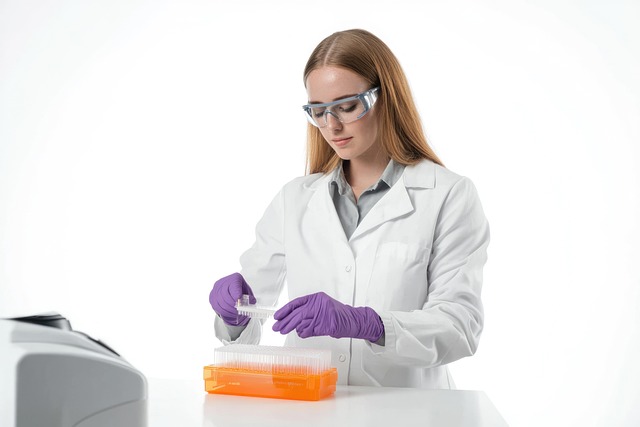
To become a certified phlebotomist in Detroit, Livonia, or Dearborn, aspiring medical laboratory assistants must navigate a structured training program that combines theoretical learning with substantial lab work. The curriculum for phlebotomy training Detroit-livonia-dearborn area programs typically aligns with national standards set by organizations like the American Society for Clinical Pathology (ASCP). This ensures graduates meet the requirements for certification and qualify for various lab science jobs near me in these cities.
The core curriculum encompasses a range of subjects, including anatomy and physiology, hematology, pharmacology, and patient safety protocols. Students learn the scientific principles behind phlebotomy procedures while developing technical skills such as venipuncture, blood collection, and specimen handling. A significant portion of training involves hands-on lab work in simulated and real clinical settings, allowing trainees to gain practical experience under expert supervision. Many programs offer opportunities for students to find lab work in Detroit-livonia-dearborn area hospitals, clinics, or diagnostic laboratories, providing them with valuable on-the-job experience and references.
Certification is achieved through passing a comprehensive exam, such as the National Phlebotomy Certification Exam (NPCE). Programs that prepare students for this exam often include review sessions and practice tests to ensure their readiness. Upon successful completion of the program and certification, individuals are qualified to pursue entry-level phlebotomy positions or advance into specialized areas like clinical laboratory science or blood bank technology within the Detroit metropolitan area job market.
Discover Hands-On Lab Work Opportunities in Detroit-Livonia-Dearborn

In the competitive healthcare sector of Detroit, Livonia, and Dearborn, standing out as a phlebotomist requires more than just theoretical knowledge; hands-on lab work opportunities are essential to honing your skills and gaining practical experience. These urban areas offer an array of medical laboratory assistant training programs that seamlessly blend classroom instruction with extensive lab sessions, enabling students to master the art of drawing blood and performing other vital diagnostic tests.
Detroit’s healthcare landscape is bustling with renowned hospitals, clinics, and research facilities, all actively seeking qualified phlebotomists. Many of these institutions offer part-time lab work near me options, allowing aspiring medical professionals to gain real-world experience alongside their studies. For instance, St. John Health System in Detroit has been recognized for its comprehensive training programs and open positions for medical laboratory assistants. Similarly, the University of Michigan offers robust phlebotomy training with opportunities to work in its state-of-the-art labs, providing students with a head start in their careers.
When exploring phlebotomist training programs in Detroit-Livonia-Dearborn, prospective students should seek institutions that foster an environment conducive to learning and offer ample lab work. This hands-on experience not only complements the theoretical curriculum but also prepares individuals for the demands of the healthcare industry. According to recent data, the demand for phlebotomists is projected to grow steadily in the coming years, making now an excellent time to invest in your future through these specialized programs and find lab work opportunities that will propel your career forward.
Evaluate Schools' Accreditations and Student Outcomes

When evaluating phlebotomist training programs in Detroit, a crucial aspect to consider is the schools’ accreditations and student outcomes. Reputable institutions like the National Accrediting Agency for Clinical Laboratory Sciences (NAACLS) ensure that programs meet high standards of quality. Check if the school’s curriculum aligns with current industry practices and if graduates are successfully placing into lab science jobs near Detroit, Livonia, and Dearborn.
Many top-tier programs offer robust placement services to help students find part-time lab work or full-time positions in local healthcare facilities. For instance, some institutions boast high employment rates within six months of graduation, indicating their commitment to preparing students for the workforce. Data from recent graduates can provide valuable insights; for example, a survey might reveal that 90% of students secured lab positions within three months of finishing their training.
Furthermore, examining student outcomes can offer a nuanced view. Successful programs should not only focus on theoretical knowledge but also ensure students gain practical experience through clinical rotations and find Lab Work in Detroit-Livonia-Dearborn areas. This hands-on exposure is essential for building the skills needed in careers in scientific research. Consider schools that offer diverse learning opportunities, including internship programs or partnerships with local labs, which can significantly enhance a student’s employability.
Prepare for Career: Skills and Job Prospects in Local Hospitals
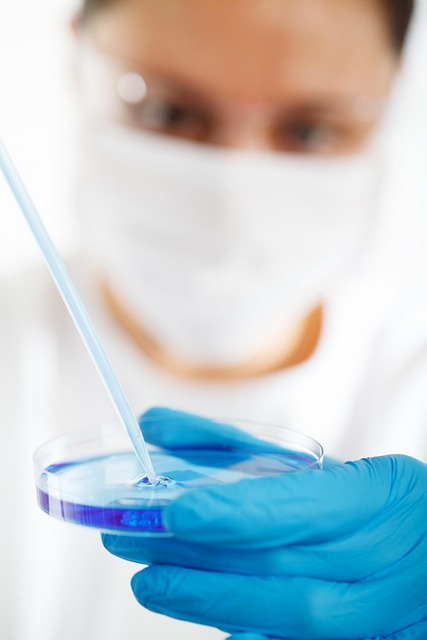
Detroit, Livonia, and Dearborn offer a robust landscape for aspiring phlebotomists to prepare for their careers and find lucrative job prospects. The local healthcare sector is thriving, with numerous hospitals, clinical research facilities, and pharmaceutical labs hiring skilled lab technicians. This dynamic environment presents an excellent opportunity for trainees to gain practical experience and build a strong network within the industry.
Many top-tier medical institutions in the Detroit metropolitan area offer comprehensive phlebotomist training programs, combining classroom instruction with hands-on lab work. These programs equip students with the necessary skills to collect blood samples accurately, process them efficiently, and ensure patient safety—essential competencies highly sought after by local employers. For instance, St. John Health System, with its extensive network of hospitals, frequently hires trained phlebotomists and provides opportunities for continued professional development. Similarly, the University of Michigan’s health system offers a supportive environment for students to learn and find dearborn clinical research careers.
Upon completion of their training, graduates can expect excellent job prospects in the region. The demand for skilled lab technicians is high, particularly in pharmaceutical labs hiring in Detroit and surrounding areas. According to recent industry reports, the job market for phlebotomists in Michigan is projected to grow steadily, offering stable careers with competitive salaries. Local hospitals like Henry Ford Health System and St. Joseph Health System regularly advertise openings for lab technicians, providing a steady stream of employment opportunities for qualified individuals. For those seeking to expand their horizons, Dearborn’s thriving pharmaceutical industry offers specialized roles, allowing phlebotomists to contribute to groundbreaking research and development.