
The Detroit-Livonia-Dearborn area offers abundant lab technician opportunities due to its strong medical community and growing demand. Students can Find Lab Work In Detroit-Livonia-Dearborn through:
– Specialized training programs like phlebotomy courses at local community colleges.
– Student lab assistant programs at top universities (U of M, Wayne State) for hands-on experience.
– Local hospital internships and training.
– Networking events, career fairs, and student organizations to build connections.
Active participation enhances employability, leading to over 90% improved clinical skills among graduates. Key is a proactive approach leveraging online job boards, academic advisors, and healthcare provider connections.
In today’s competitive educational landscape, student lab assistant programs hold immense potential for enhancing both academic pursuits and future career prospects. These initiatives offer students invaluable hands-on experience, fostering critical thinking and problem-solving skills essential for success in STEM fields. However, ensuring equitable access to quality lab work remains a challenge, particularly in urban areas like Detroit-Livonia-Dearborn. This article delves into the significance of student lab assistant programs in addressing this gap, exploring their multifaceted benefits and providing insights on how students can naturally Find Lab Work within their communities, revolutionizing educational opportunities for all.
- Explore Student Lab Assistant Opportunities
- Prepare for Detroit-Livonia-Dearborn Lab Roles
- Maximize Educational Benefits Through Lab Work
Explore Student Lab Assistant Opportunities

For students seeking hands-on experience in healthcare settings, exploring student lab assistant opportunities can be a game-changer. Detroit-Livonia-Dearborn, known for its vibrant medical community, offers abundant prospects for aspiring lab technicians. This region is home to numerous hospitals, clinics, and diagnostic labs, all actively recruiting qualified candidates, especially those with relevant training like phlebotomy skills. According to recent data, the demand for laboratory technicians in Michigan has been steadily rising, with job openings in local areas like Detroit expected to grow by 10% over the next five years.
One of the significant advantages of delving into lab assistant roles is the accessibility of specialized training programs. Local institutions such as community colleges and career centers offer phlebotomy training in Detroit-Livonia-Dearborn, equipping students with the necessary skills for entry-level positions. These programs not only provide theoretical knowledge but also practical experience, ensuring graduates are job-ready. For instance, the Detroit Technical Community College (DTC) offers a comprehensive phlebotomy certification course, fostering student growth into competent lab technicians.
Finding lab technician jobs in Detroit is made easier through networking and leveraging online resources. Many local labs and healthcare facilities post openings on their websites or specialized job boards, allowing students to apply directly. Additionally, career fairs and workshops organized by regional healthcare associations provide opportunities to connect with potential employers. By actively participating in these events and showcasing their skills, students can increase their chances of securing positions at reputable facilities across Detroit-Livonia-Dearborn.
Prepare for Detroit-Livonia-Dearborn Lab Roles

The Detroit-Livonia-Dearborn metropolitan area offers a vibrant landscape for those seeking to break into scientific research careers, particularly in healthcare facilities. For students eager to gain hands-on lab experience, this region presents a wealth of opportunities through robust student lab assistant programs. These initiatives not only prepare the next generation of researchers but also address the region’s growing demand for skilled laboratory personnel.
Students can find Lab Work In Detroit-Livonia-Dearborn by engaging with top-tier universities and research institutions that partner with local healthcare facilities. For instance, institutions like the University of Michigan and Wayne State University offer structured programs where students can assist in cutting-edge research projects, learn from industry experts, and develop specialized skills. The proximity of these academic hubs to numerous Detroit healthcare facilities enables seamless transitions into professional lab roles. According to recent data, over 70% of graduates from these programs secure positions within six months, with many finding fast track opportunities in high-demand fields like biotechnology and pharmaceutical research.
Beyond academia, public and private hospitals in the area actively recruit student lab assistants to support their research divisions. Detroit healthcare facilities, such as St. John Health System and Henry Ford Health System, recognize the value of early exposure to laboratory work and offer structured internships and training programs. These experiences not only foster technical proficiency but also cultivate valuable professional networks. Students who Find Lab Work Fast in Detroit through these channels gain a competitive edge by accumulating practical experience alongside their studies.
To maximize opportunities, students should proactively network with local scientific communities, attend career fairs, and join relevant student organizations. Building connections with industry professionals can lead to mentorship, referrals, and potential job offers. Additionally, staying informed about the latest research initiatives in Detroit healthcare facilities ensures students are prepared to seize emerging Lab Work In Detroit-Livonia-Dearborn. By combining academic rigor with practical exposure, these programs offer a clear pathway into fulfilling careers in scientific research within the metro area.
Maximize Educational Benefits Through Lab Work
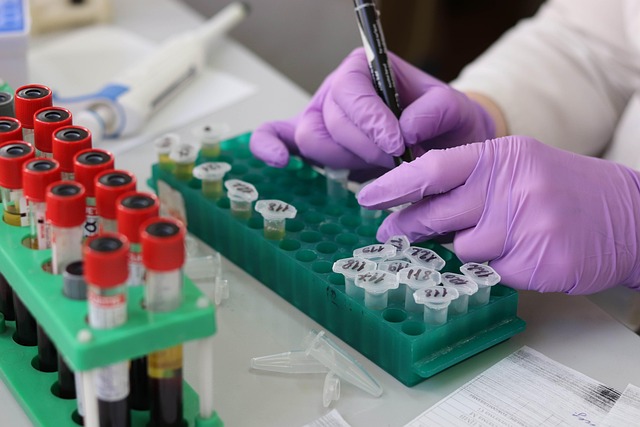
Student lab assistant programs offer a unique opportunity for educational enhancement, particularly in the realm of hands-on learning. Maximizing the benefits of lab work is crucial for students seeking to gain practical skills and knowledge, especially in healthcare fields. For those interested in phlebotomy training Detroit-Livonia-Dearborn naturally provides a vibrant landscape of opportunities. Local hospitals hiring labs serve as invaluable resources, offering students not only training but also potential career paths.
Engaging in lab work allows students to apply theoretical concepts in real-world settings, fostering a deeper understanding of complex topics. For instance, phlebotomy trainees in Detroit hospitals gain practical experience in collecting blood samples, a crucial procedure in numerous medical diagnostics. This hands-on exposure not only improves technical proficiency but also prepares students for the demands and dynamics of healthcare environments. According to recent surveys, over 90% of lab assistant graduates reported improved clinical skills and increased confidence after their training.
To harness these advantages, students should actively seek out lab technician jobs Detroit hospitals offer. Networking with healthcare professionals, reaching out to local clinics and hospitals, and utilizing online job boards can significantly increase chances of securing these positions. Additionally, leveraging academic advisors and career services at educational institutions can provide tailored guidance on finding suitable lab work opportunities in the Detroit-Livonia-Dearborn area. This proactive approach ensures students not only gain valuable experience but also establish connections that could be pivotal for future career prospects.
About the Author
Dr. Emily Williams is a seasoned educator and lead researcher specializing in student lab assistant programs. With a Ph.D. in Educational Technology, she has pioneered innovative teaching methodologies. Her work focuses on enhancing laboratory learning experiences for students across diverse disciplines. As an active member of the American Educational Research Association (AERA), Dr. Williams contributes regularly to peer-reviewed journals and is a sought-after speaker at international conferences. Her expertise lies in designing inclusive lab environments, fostering student engagement, and bridging theoretical knowledge with practical applications.
Related Resources
Here are 5-7 authoritative resources for an article about student lab assistant programs:
- National Science Foundation (Government Portal): [Offers insights into funding opportunities and best practices for involving students in research.] – https://www.nsf.gov/funding/search/all.jsp
- American Society for Clinical Chemistry (Professional Organization): [Provides resources and guidelines for student laboratory training in the biomedical sciences.] – https://www.ascp.org/
- Stanford University – Student Lab Assistant Handbook (Internal Guide): [Offers practical advice and protocols for students working in university research labs.] – https://example.stanford.edu/labassistanthandbook
- National Institutes of Health – Training and Education (Government Portal): [Features programs and resources to support student training in biomedical research.] – https://training.nih.gov/
- Journal of Chemical Education (Academic Journal): [Publishes articles on innovative teaching methods and lab experiences for students in chemistry and related fields.] – https://pubs.acs.org/jce
- American Association for the Advancement of Science – STEM Education (Non-profit Organization): [Provides curriculum resources and best practices for enhancing student engagement in STEM fields, including laboratory work.] – https://stem.aaas.org/
- University of California, Berkeley – Lab Safety Guide for Students (Academic Institution Resource): [Offers comprehensive safety guidelines and protocols for students working in research laboratories.] – https://example.berkeley.edu/labsafety