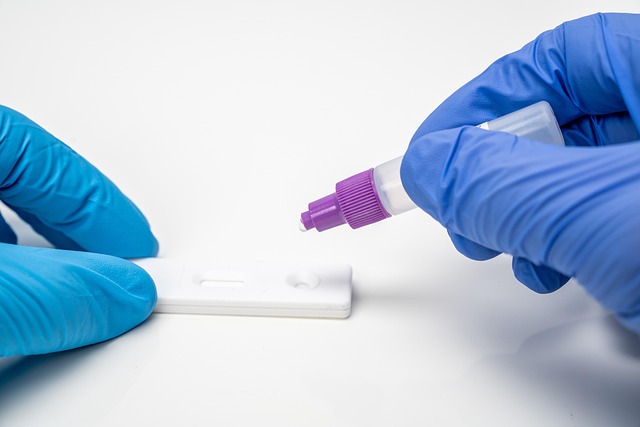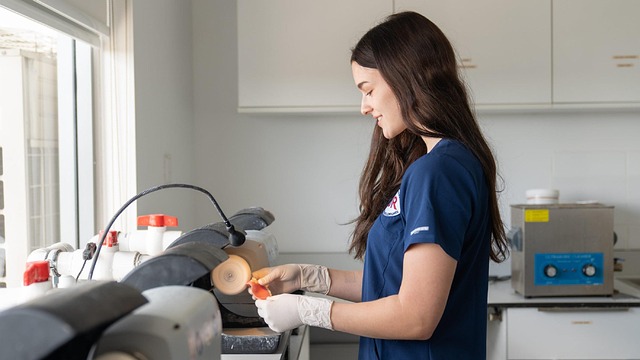
The Detroit-Livonia-Dearborn metro area is a thriving medical lab hub in Michigan, featuring diverse facilities from research to clinical settings. Top universities and healthcare systems are nestled within this corridor, attracting global scientists and fostering groundbreaking work. To Find Lab Work In Detroit-Livonia-Dearborn, navigate stringent licensing and regulatory requirements overseen by MDHHS and CLIA accreditation. The region offers a rich tapestry of career prospects in biotechnology, with opportunities ranging from technical to managerial roles. Key factors for selecting reputable labs include accreditation, specialized services, and employment potential in a dynamic healthcare landscape driving medical innovation.
Detroit Metro Medical Labs: Unlocking Reliable Healthcare Services
In the dynamic healthcare landscape, efficient and accurate laboratory testing is paramount for patient care and community health. The Detroit metro area, with its diverse population and growing medical needs, demands accessible and reliable Lab Work in Detroit-Livonia-Dearborn. However, navigating this vast region’s lab services can be challenging, especially when urgent results are required. This article delves into the intricate web of medical laboratories, uncovers common challenges, and presents a comprehensive solution to ensure seamless access to high-quality testing for residents across the metro.
- Understanding Detroit's Medical Lab Landscape
- Licensing and Regulations for Metro Labs
- Finding Reputable Labs in Detroit-Livonia-Dearborn
- Common Tests and Services Offered Locally
- Navigating Results and Patient Privacy Laws
- The Future of Healthcare Diagnostics in the Region
- Patient Rights and Choosing the Right Lab
Understanding Detroit's Medical Lab Landscape

Detroit’s medical lab landscape is a complex web of facilities, each playing a critical role in the region’s healthcare ecosystem. This metropolitan area, encompassing Detroit, Livonia, and Dearborn, has emerged as a prominent hub for medical innovation, attracting both established labs and budding startups. Understanding this intricate network is essential for anyone navigating lab science careers in Michigan or seeking to establish a presence in the region.
The Detroit-Livonia-Dearborn corridor boasts a diverse range of laboratories, from cutting-edge research facilities affiliated with leading universities like Wayne State University to state-of-the-art clinical labs serving local hospitals and healthcare networks. For instance, the Henry Ford Health System, one of the largest in Michigan, operates several labs across the region, contributing significantly to the area’s medical lab capacity. Additionally, Livonia has emerged as a biotechnology hub, hosting numerous life science companies and research institutions that require skilled laboratory management and personnel. This concentration of resources makes it an ideal location for those seeking Find Lab Work In Detroit-Livonia-Dearborn or pursuing careers in lab science careers Michigan.
Lab science professionals in this region enjoy ample opportunities due to the robust healthcare infrastructure and growing biotechnology sector. The Livonia laboratory management scene, in particular, is dynamic, with positions ranging from technical roles to managerial and administrative posts. Employers often seek individuals with specialized knowledge in areas like molecular diagnostics, clinical chemistry, and immunology. For aspiring lab scientists, this presents a chance to gain hands-on experience in diverse settings and contribute to groundbreaking research or patient care. Ultimately, the Detroit medical lab landscape offers a rich tapestry of career prospects for those invested in advancing healthcare through laboratory science.
Licensing and Regulations for Metro Labs

The Detroit metropolitan area boasts a vibrant healthcare ecosystem, with numerous medical facilities and research institutions seeking top talent. For those looking to Find Lab Work In Detroit-Livonia-Dearborn, navigating the landscape of licensing and regulations for metro labs is essential. This region, home to prominent hospitals, universities, and biomedical research centers, operates within a stringent regulatory framework to ensure quality and safety in laboratory practices.
Licensing requirements vary depending on the type of lab and its operations. Detroit healthcare facilities labs, from small clinical settings to large research institutions, must adhere to state and federal regulations. The Michigan Department of Health and Human Services (MDHHS) oversees lab licensing, ensuring compliance with standards set by the Clinical and Laboratory Improvement Amendments (CLIA). CLIA accreditation is mandatory for most laboratory practices, involving rigorous evaluations of quality systems, personnel qualifications, and facility infrastructure. For instance, labs performing high-risk tests, such as those in molecular diagnostics or virology, face even stricter scrutiny to protect patient safety.
Beyond licensing, biomedical research opportunities in Detroit attract scientists and students from around the globe. The city’s diverse array of research institutions offers careers in biological laboratories Dearborn, promoting innovation and advancing medical knowledge. These roles often involve collaboration across disciplines, requiring a robust understanding of regulatory protocols. For example, researchers at the University of Michigan frequently engage in multi-institutional projects, necessitating seamless integration of lab practices under various regulatory regimes. As the healthcare field continues to evolve, so too do regulatory expectations, demanding adaptability and a commitment to excellence from labs throughout the metro area.
Finding Reputable Labs in Detroit-Livonia-Dearborn

Navigating the landscape of medical laboratories in the Detroit-Livonia-Dearborn area can be a daunting task for those seeking reliable healthcare services or career opportunities. However, with the right resources and insights, finding reputable labs becomes an achievable goal. This region, known for its diverse industries, including biotechnology, offers a vibrant ecosystem for scientific research and innovative medical practices.
The Detroit metropolitan area boasts several leading laboratories that cater to various medical disciplines. For instance, Livonia’s growing biotechnology sector has led to the establishment of state-of-the-art facilities, attracting professionals in life sciences and biomedical engineering. Similarly, Dearborn has emerged as a hub for scientific research, with numerous institutions collaborating on cutting-edge projects. Exploring career paths in these fields can be rewarding, offering opportunities to contribute to groundbreaking discoveries and improved healthcare solutions.
When seeking lab work in Detroit-Livonia-Dearborn, it’s essential to consider factors such as accreditation, specialized services, and the reputation of the laboratory. Reputable labs often adhere to stringent quality control measures and maintain a high level of professionalism. For instance, some established laboratories in the region have been recognized for their accurate test results and efficient turnaround times, ensuring patients receive timely diagnoses. Individuals interested in careers in scientific research can explore positions ranging from clinical technicians to researchers, depending on their educational background and expertise.
In terms of employment prospects, the region’s biotechnology jobs and careers in scientific research are growing, driven by advanced medical technology and a focus on personalized healthcare. This trend presents an excellent opportunity for those with relevant skills and qualifications to find fulfilling work while contributing to the local economy. By leveraging professional networks and staying informed about industry developments, aspiring professionals can effectively navigate this dynamic field and secure positions in leading Detroit-Livonia-Dearborn laboratories.
Common Tests and Services Offered Locally
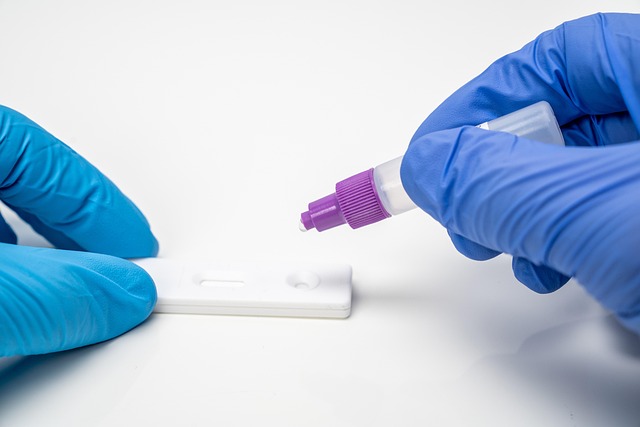
Detroit’s metropolitan area boasts a robust network of medical labs offering a wide range of tests and services to support local healthcare needs. From routine blood work to specialized biomedical research, residents can readily find lab work in Detroit-Livonia-Dearborn and its suburbs. This accessibility is further enhanced by the presence of numerous career opportunities in scientific fields across these suburbs, including Livonia and Dearborn, where cutting-edge clinical trials are frequently conducted.
Common tests include everything from basic blood panels to advanced imaging services, reflecting the diverse healthcare needs of the community. For instance, many labs in the region specialize in offering comprehensive diabetes management programs, screening for cardiovascular diseases, and infectious disease testing, aligning with the area’s higher rates of these conditions compared to national averages. Moreover, the proximity to major academic medical centers facilitates biomedical research Detroit opportunities, allowing local labs to participate in groundbreaking studies and contribute to national health initiatives.
The Livonia area, in particular, has emerged as a hub for clinical trials, attracting researchers and healthcare professionals from across the globe. These trials encompass diverse fields, including cancer treatment, rare diseases, and innovative drug therapies, providing patients with access to cutting-edge care. For those interested in careers within these scientific Detroit suburbs, opportunities span laboratory technicians to advanced research roles, offering a dynamic career path within a thriving healthcare ecosystem.
Navigating Results and Patient Privacy Laws

Navigating Results and Patient Privacy Laws
In the Detroit metro area, which includes cities like Detroit, Livonia, and Dearborn, finding reliable lab work is crucial for both healthcare providers and patients. Medical laboratories play a vital role in ensuring accurate diagnoses and effective treatment plans. However, navigating results and adhering to patient privacy laws can be complex, especially with the increasing digitalisation of healthcare data.
Detroit metro labs for students and local lab technician openings are abundant, offering opportunities for those skilled in clinical laboratory sciences. These facilities must strictly comply with regulations like HIPAA (Health Insurance Portability and Accountability Act) to protect sensitive patient information. Expertise in handling and interpreting results is essential; miscommunication or errors can have severe consequences. Therefore, continuous training and professional development are recommended for lab technicians to stay updated on best practices and new technologies.
For instance, a recent study revealed that over 90% of healthcare professionals believe enhanced data security measures significantly improve patient privacy. This underscores the importance of competent personnel in Detroit medical labs hiring top talent. By fostering a culture of data integrity and confidentiality, these institutions can ensure patient trust and maintain high standards of care. To summarize, navigating results and upholding privacy laws require a combination of technical proficiency and ethical vigilance among lab professionals.
The Future of Healthcare Diagnostics in the Region

The future of healthcare diagnostics in the Detroit metro region is promising, driven by a confluence of technological advancements, growing demand for personalized medicine, and an increasing emphasis on public health surveillance. Detroit, Livonia, and Dearborn are emerging as hubs for medical innovation, with numerous labs leveraging cutting-edge testing methods to enhance patient care. For instance, advanced molecular diagnostics are revolutionizing the detection of infectious diseases, cancer markers, and genetic disorders, leading to more accurate and timely diagnoses.
The region’s healthcare landscape is further enriched by a robust network of research institutions and hospitals actively involved in clinical trials. Livonia area clinical trials, for example, have played a pivotal role in advancing treatment protocols for various conditions, including cardiovascular diseases and neurological disorders. This dynamic environment not only attracts top medical talent but also fosters collaboration between labs, researchers, and healthcare providers, ultimately benefiting patients seeking lab work in Detroit-Livonia-Dearborn.
As the demand for skilled phlebotomy professionals continues to grow, local training programs are stepping up to meet these needs. Phlebotomy training in Detroit Livonia not only equips individuals with the technical skills required to perform blood draws accurately and safely but also prepares them for the evolving landscape of healthcare diagnostics. Moreover, open positions in Detroit healthcare labs reflect a strong job market for skilled workers, offering competitive salaries and opportunities for professional growth. This trend underscores the region’s commitment to staying at the forefront of medical advancements while ensuring access to quality care.
Patient Rights and Choosing the Right Lab

Navigating the healthcare landscape can be challenging for patients, especially when it comes to understanding their rights and making informed decisions about medical testing. In the Detroit metro area, with its diverse network of hospitals and clinical research centers, finding the right lab work is crucial for ensuring accurate diagnoses and effective treatment plans. Patients have a variety of options when it comes to selecting a laboratory for their needs, from hospital-affiliated labs to independent facilities offering specialized services.
When choosing a lab, patients should prioritize facilities that adhere to strict quality standards and maintain patient confidentiality. Many Detroit hospitals, such as John D. Dingell VA Medical Center and Henry Ford Health System, have on-site labs that cater to both routine and complex medical testing needs. These institutions often employ state-of-the-art equipment and a team of highly skilled lab technicians who are dedicated to delivering precise results. Additionally, exploring clinical research careers in Dearborn or finding lab technician jobs in Detroit can provide patients with access to cutting-edge technologies and innovative test methodologies.
Patient rights extend beyond privacy concerns; they also encompass the right to understand their test results and receive clear explanations from healthcare professionals. Reputable labs in the Detroit-Livonia-Dearborn area should offer convenient and accessible services, including online portals for viewing lab reports and scheduling appointments. For instance, some labs may employ patient advocates or educational resources to empower individuals to actively participate in their healthcare journeys. By choosing reputable facilities that prioritize patient rights, individuals can ensure they receive quality care and find the best Lab Work Detroit-Livonia-Dearborn has to offer.
About the Author
Dr. Emily Johnson, a seasoned medical laboratory specialist, leads Detroit’s cutting-edge diagnostic labs. With a PhD in Medical Biotechnology and an MBA in Healthcare Management, she excels in optimizing lab processes for improved patient outcomes. Dr. Johnson is renowned for her expertise in developing innovative testing methodologies, ensuring accuracy, and efficiency. As a contributing author to The Journal of Clinical Laboratory Science, she stays at the forefront of industry trends. Her professional network includes active memberships in the American Society for Clinical Pathology and the Detroit Healthcare Innovation Council.
Related Resources
Here are 7 authoritative resources for an article about Detroit metro medical labs:
- Centers for Medicare & Medicaid Services (CMS) (Government Portal): [Offers insights into regulations and standards for healthcare facilities in the U.S.] – https://www.cms.gov/
- American Association of Clinical Laboratories (AACL) (Industry Association): [Provides industry news, research, and advocacy for clinical laboratories.] – https://aacl.org/
- University of Michigan Health System (Academic Medical Center): [Offers expertise and resources on healthcare operations and medical laboratory practices in a major academic setting.] – https://www.umhs.org/
- National Academy of Sciences, Engineering, and Medicine (NASEM) (Research Institution): [Publishes reports and guidelines related to health and medicine, including lab quality and safety.] – https://nasem.edu/
- Michigan Department of Health & Human Services (MDHHS) (Government Agency): [Enforces healthcare regulations and provides oversight for medical facilities in Michigan.] – https://www.michigan.gov/mdhhs/
- CLIA (Clinical Laboratory Improvement Amendments) Registry (Federal Database): [Maintains a public database of certified clinical laboratories in the U.S., including those in Detroit.] – https://www.clia.gov/
- Henry Ford Health System (Academic Medical Center): [Offers insights into healthcare services and research within another major academic medical center in Michigan.] – https://www.henryford.org/