TL;DR
Are you looking for lab work in the vibrant metropolitan area surrounding Detroit, Michigan? This guide explores the thriving medical lab sector in Detroit-Livonia-Dearborn, offering insights into where to find opportunities, the types of roles available, and how to navigate this dynamic career path. Discover a wealth of resources and tips tailored to help you land your dream job in one of these diverse healthcare settings.
Introduction: Unlocking Lab Opportunities in Metro Detroit
For aspiring lab technicians, researchers, and assistants, finding suitable employment within the bustling medical community of Detroit-Livonia-Dearborn can be both exciting and challenging. This diverse metro area boasts a robust network of hospitals, research facilities, and clinics, all actively hiring skilled professionals to support vital healthcare operations.
In this comprehensive guide, we will navigate the landscape of find lab work in Detroit-Livonia-Dearborn, providing you with valuable insights, resources, and strategies to unlock your career potential in this vibrant region. From understanding the local medical lab map to exploring various job roles, we aim to equip you with all the information necessary for a successful transition into the field.
Understanding the Medical Lab Landscape in Detroit-Livonia-Dearborn
A Web of Healthcare Providers
The Detroit-Livonia-Dearborn metropolitan area is home to an extensive network of healthcare facilities, each contributing to the region’s robust medical lab sector:
- Hospitals: Major academic and community hospitals, such as Henry Ford Health System, St. John Health System, and Michigan Medicine (University of Michigan), serve as hubs for advanced medical care and research.
- Clinics and Outpatient Centers: Numerous specialty clinics and outpatient facilities across the region rely on well-equipped labs for diagnostic testing and patient care.
- Research Institutions: University research laboratories and biomedical centers play a pivotal role in groundbreaking scientific discoveries, often collaborating with local hospitals.
The Role of Medical Labs
Medical labs within these institutions serve as the backbone of healthcare operations, performing a wide range of essential functions:
- Clinical Testing: From routine blood work to specialized diagnostic procedures, labs process samples and run tests to aid in patient diagnosis and treatment.
- Research Support: Many labs contribute to cutting-edge research, supporting clinical trials, drug development, and scientific investigations.
- Quality Assurance: Lab professionals ensure the accuracy and reliability of test results through rigorous quality control measures.
- Patient Care: Lab technicians directly interact with patients, collecting samples, explaining procedures, and providing support throughout their healthcare journey.
Exploring Lab Work Opportunities in Detroit-Livonia-Dearborn
Job Roles and Specializations
The medical lab sector offers a diverse array of roles catering to various interests and skill sets:
1. Lab Technician/Technologist:
- Responsibilities: Perform clinical tests, operate lab equipment, prepare specimens, and ensure laboratory safety.
- Specializations: Clinical chemistry, hematology, microbiology, or specialized testing areas like immunology or molecular diagnostics.
2. Medical Laboratory Assistant (MLA):
- Tasks: Assist technicians with daily lab duties, including sample preparation, equipment calibration, and maintaining lab records.
- Benefits: Entry-level positions offering valuable on-the-job training and opportunities for advancement.
3. Clinical Research Coordinator:
- Role: Manage clinical trials, ensure participant safety, coordinate with investigators, and maintain accurate study data.
- Skills Required: Strong organizational abilities, attention to detail, and knowledge of Good Clinical Practice (GCP) guidelines.
4. Research Scientist/Technologist:
- Duties: Conduct groundbreaking research, develop experimental protocols, analyze data, and publish scientific findings.
- Requirements: Advanced degrees in relevant fields like biology, chemistry, or biochemistry.
5. Quality Assurance/Control Specialist:
- Focus: Implement and monitor quality control procedures to ensure lab test accuracy and adherence to regulatory standards.
- Expertise: Knowledge of Quality Management Systems (QMS) and experience in a regulated healthcare environment.
Finding Current Openings
Several effective strategies can help you find lab work in Detroit-Livonia-Dearborn:
- Online Job Boards: Websites like Indeed, Glassdoor, and Monster host numerous listings for medical lab positions across the region. Create alerts to receive updates on new opportunities.
- Healthcare Employer Portals: Many hospitals and healthcare systems have dedicated career pages, showcasing open positions within their labs. Check the official websites of Henry Ford Health System, St. John Health, and Michigan Medicine.
- Professional Networking Sites: LinkedIn is a powerful tool for searching job postings and connecting with industry professionals. Join relevant groups and networks to stay informed about local lab opportunities.
- Local Job Fairs and Recruitment Events: Keep an eye out for healthcare-focused job fairs and recruitment drives in the Detroit area, offering face-to-face interactions with potential employers.
- Referrals and Recommendations: Network within your circle of medical professionals; they may know of upcoming openings or be able to provide valuable referrals.
Navigating the Application Process
Crafting a Compelling Resume and Cover Letter
Your resume is a powerful tool to showcase your qualifications, so ensure it is tailored to highlight relevant skills and experiences:
- Education: Include degrees or certifications in lab science, biology, or a related field. List any specialized training or continuing education courses.
- Relevant Experience: Detail previous lab work, research projects, or clinical rotations, emphasizing responsibilities and accomplishments.
- Technical Skills: Highlight proficiency in specific lab techniques, software applications, or equipment used in your area of expertise.
- Certifications: Mention any relevant certifications, such as Clinical Laboratory Scientist (CLS) or Certified Medical Laboratory Technician (CMLT).
A custom-crafted cover letter allows you to showcase your passion for the role and demonstrate why you are an excellent fit:
- Research the Facility: Learn about the hospital, clinic, or research institution’s mission and values. Tailor your letter to align with their goals.
- Highlight Your Strengths: Emphasize skills and experiences that match the job description. Explain how your qualifications will contribute to the lab’s success.
- Personal Touch: Share why you are drawn to working in Detroit-Livonia-Dearborn and express your enthusiasm for the opportunity.
Acing the Interview
Interviews offer a chance to showcase your personality, skills, and fit within the lab environment:
- Prepare Thoroughly: Research common interview questions for medical lab positions, such as those regarding your experience, technical skills, and problem-solving abilities.
- Be Passionate: Convey your genuine interest in the role and the healthcare field, demonstrating your drive and dedication.
- Ask Informed Questions: Prepare thoughtful questions about the lab’s operations, culture, and opportunities for professional growth to show your engagement.
- Showcase Your Story: Share relevant anecdotes from your educational or work background, bringing your unique perspective to the interviewers.
Building a Successful Career in Detroit-Livonia-Dearborn’s Medical Labs
Continuous Learning and Professional Development
The medical lab field is constantly evolving, requiring professionals to stay abreast of technological advancements and industry trends:
- Continued Education: Enroll in workshops, seminars, or online courses to update your skills and knowledge. Many professional organizations offer resources for continuing education.
- Specialty Certification: Pursue advanced certifications in specific lab areas to enhance your expertise and marketability.
- Stay Informed: Follow industry publications, blogs, and websites to keep up with the latest research and innovations.
Networking and Building Connections
Building a professional network is invaluable for career advancement:
- Local Associations: Join medical lab associations or societies in Detroit to connect with peers and stay informed about industry news.
- Mentorship: Seek guidance from experienced professionals who can offer valuable insights and advice throughout your career.
- Industry Events: Attend conferences, seminars, and networking events to expand your circle and learn about potential job opportunities.
Diversifying Your Skills and Experience
Gaining a diverse skill set can open doors to new opportunities:
- Cross-Training: Volunteer for roles outside your primary area of expertise to gain versatility and fill labor gaps.
- Research Experience: Participate in research projects, even if they are not your primary role, to build valuable skills and connections.
- Specialty Rotation: If you’re an aspiring technician, consider rotating through different lab specialties to explore various aspects of the field.
Conclusion: Embracing a Vibrant Career Path
Find lab work in Detroit-Livonia-Dearborn by exploring the diverse medical lab landscape and leveraging the right resources. This comprehensive guide has equipped you with insights into the local industry, job roles, application strategies, and career growth opportunities.
With a robust healthcare system and a thriving network of labs, the region offers a vibrant career path for aspiring medical professionals. By staying informed, building skills, and actively engaging with the community, you can navigate this exciting journey successfully. So, embark on your search, unlock your potential, and contribute to the advancement of healthcare in the Detroit-Livonia-Dearborn area!
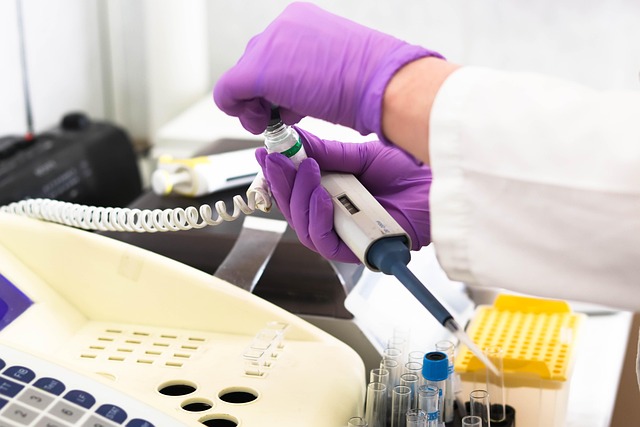

While the original comment mentions a popular website for browser clicker games, let’s redirect the focus to the topic at hand: the Detroit-Livonia-Dearborn metropolitan area. If you’re looking for opportunities in medical labs and healthcare operations, this region offers a wealth of options. Many hospitals and clinics within the D-L-D area employ dedicated lab technicians who play a crucial role in patient care and diagnostic services.
For those interested in pursuing a career in this field, there are numerous resources available to find suitable lab work. Local job boards, hospital websites, and professional networking groups can be excellent starting points. Additionally, exploring the diverse medical labs across the metropolitan area allows individuals to gain hands-on experience and contribute to the vital healthcare operations that serve the community.
While the original comment seems to have strayed from the topic at hand, let’s redirect our focus to the vibrant Detroit-Livonia-Dearborn metropolitan area, known for its thriving healthcare sector. If you’re interested in a career as a lab technician or exploring various medical labs in this region, there are abundant opportunities waiting! This comprehensive guide can help navigate through the different healthcare operations, hospitals, and labs available in the area, ensuring a rewarding professional path.
While the comment about clicker games is an interesting observation, let’s shift our focus to the topic at hand: finding lab work in the vibrant Detroit-Livonia-Dearborn metropolitan area. For those aspiring lab technicians interested in medical labs and healthcare operations, this region offers a wealth of opportunities. Many hospitals in this area are seeking skilled professionals, from entry-level positions to experienced lab managers. Exploring local job boards and reaching out to nearby medical facilities can be great ways to get started on your career path in this dynamic healthcare hub.