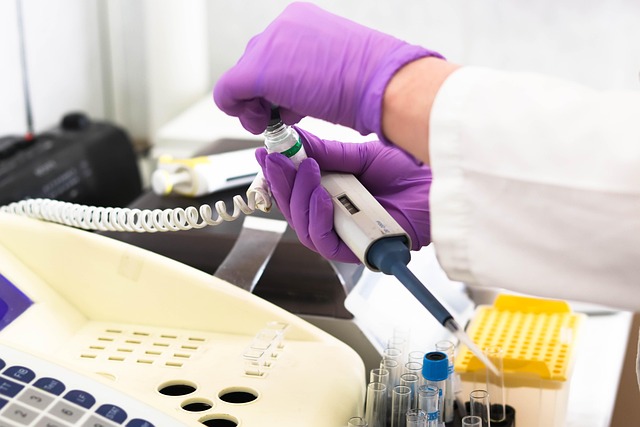
Discover how the Detroit healthcare job fair offers a vibrant landscape for those seeking lab work in Detroit-Livonia-Dearborn. Explore diverse opportunities, from lab technician roles to clinical research careers, and learn how to leverage this dynamic regional market for your professional growth.
Find Lab Work in Detroit-Livonia-Dearborn: A Comprehensive Guide
Introduction
Are you ready to embark on a rewarding career in healthcare? The Detroit-Livonia-Dearborn metro area presents a bustling hub for medical professionals, especially those in the lab science field. With a wealth of hospitals, research institutions, and medical centers, the region offers diverse and exciting lab work opportunities. This guide is designed to help you navigate the landscape of finding lab work in Detroit-Livonia-Dearborn, highlighting the local job market, popular employers, and practical tips for securing your ideal role.
Understanding the Detroit Healthcare Job Market
The Detroit healthcare industry is experiencing steady growth, driven by a combination of expanding medical facilities, aging populations, and increased demand for specialized services. This boom translates directly into lab work opportunities in Detroit-Livonia-Dearborn, catering to various specialties, from clinical research to medical diagnostics.
Key Trends in Local Healthcare Employment:
-
Growing Demand for Medical Professionals: Hospitals and clinics in the region are continually expanding their workforce to meet the needs of a diverse patient population.
-
Diverse Specialties: The healthcare sector in Detroit-Livonia-Dearborn encompasses a wide range of medical fields, ensuring a variety of lab-related roles.
-
Focus on Specialized Skills: Employers are increasingly seeking individuals with specialized knowledge and skills, particularly in clinical research and advanced diagnostics.
Where to Find Lab Work in Detroit-Livonia-Dearborn
Medical Facilities and Hospitals
-
St. John Health System: This renowned healthcare network operates several hospitals in the region, including St. John Detroit Riverview and St. John Macomb. They regularly host job fairs and offer a range of lab technician positions.
-
Henry Ford Health System: As one of the largest healthcare providers in Michigan, Henry Ford offers extensive employment opportunities. Their labs require technicians and researchers across various specialties.
-
John D. Dingell VA Medical Center: This Veterans Affairs medical center in Detroit frequently hires lab assistants and specialists.
Research Institutions and Universities
-
Wayne State University: The university’s medical school and research institutions frequently conduct job fairs and offer positions for lab assistants, researchers, and technicians.
-
University of Michigan – Detroit: The University of Michigan’s presence in the city opens doors to research and teaching positions, including lab work.
-
Michigan State University – College of Medicine: This institution also contributes to the local job market, providing opportunities for those interested in academic and research-oriented lab roles.
Clinical Research Organizations
-
Contract Research Organizations (CROs): Companies like LabCorp and Quest Diagnostics have a strong presence in the Detroit area, employing lab technicians and specialists for various clinical research projects.
-
Pharma and Biotech Companies: Local pharmaceutical and biotechnology firms often have dedicated research labs, seeking skilled technicians and researchers.
Exploring Lab Work Roles in Detroit-Livonia-Dearborn
Popular Lab Positions:
-
Lab Technician: Responsible for performing various medical tests, maintaining lab equipment, and ensuring accurate data collection.
-
Lab Assistant: Supports senior technicians and researchers by preparing samples, conducting basic tests, and maintaining lab records.
-
Clinical Research Coordinator: Manages clinical trials, ensuring adherence to protocols, and facilitating data collection and management.
-
Medical Laboratory Scientist: A highly skilled role involving advanced diagnostic testing, interpretation of results, and collaboration with physicians.
-
Research Technician/Scientist: Conducts experiments, analyzes data, and contributes to scientific research projects, often in academic or pharmaceutical settings.
Leveraging Job Fairs and Networking Events
Detroit Healthcare Job Fairs: A Goldmine of Opportunities
The Detroit healthcare job fair is a semi-annual event that attracts a diverse array of employers, including hospitals, clinics, research institutions, and pharmaceutical companies. This fair is an excellent opportunity to:
-
Connect with Employers: Meet representatives from top local healthcare organizations and learn about their open positions.
-
Network with Professionals: Engage with medical professionals, lab technicians, and researchers, gaining insights into their careers and the industry.
-
Discover Diverse Roles: Explore various lab-related jobs, from entry-level positions to specialized research roles.
Building Your Professional Network
Networking is a powerful tool in the healthcare industry. Consider these strategies to strengthen your professional connections:
-
Join Professional Organizations: Organizations like the Michigan Society for Clinical Laboratory Science (MSCLS) offer membership benefits, career resources, and networking events.
-
Attend Local Industry Events: Keep an eye out for workshops, seminars, and social gatherings related to healthcare and lab science.
-
Utilize Online Platforms: LinkedIn and industry-specific job boards are valuable resources for connecting with employers and staying informed about job openings.
Preparing for Your Lab Work Interview
Crafting a Compelling Application
-
Tailor Your Resume: Highlight relevant lab experience, technical skills, and education. Customize your resume for each job application.
-
Build a Strong Cover Letter: Explain your interest in the position, showcase your qualifications, and demonstrate your passion for lab work.
-
Quantify Your Achievements: Include specific examples of successful projects, accurate test results, or improvements in lab efficiency.
Standing Out in the Interview
-
Research the Employer: Understand the organization’s mission, values, and recent achievements to demonstrate your alignment with their goals.
-
Prepare for Technical Questions: Revise key concepts in medical laboratory science, chemistry, and biology. Be ready to discuss challenging situations and your problem-solving approach.
-
Showcase Your Communication Skills: Effective communication is vital in lab settings. Highlight your ability to explain complex procedures or findings to both technical and non-technical colleagues.
-
Ask Insightful Questions: Prepare thoughtful questions about the role, team dynamics, and the lab’s recent projects or challenges.
Frequently Asked Questions (FAQs)
1. What are the requirements for becoming a lab technician in Detroit?
To work as a lab technician in Detroit, you typically need a high school diploma or equivalent, along with specific education and training in medical laboratory science. Certification from a recognized program and relevant experience are often preferred.
2. How can I find out about upcoming healthcare job fairs in the Detroit area?
You can stay informed about healthcare job fairs by subscribing to local career websites, following healthcare organizations on social media, and checking with professional associations like the Michigan Department of Health and Human Services or the Michigan Hospital Association.
3. Are there any online resources for finding lab work in Detroit-Livonia-Dearborn?
Absolutely! Job boards like Indeed, Glassdoor, and specialized healthcare recruitment sites offer a wealth of opportunities. Additionally, networking platforms like LinkedIn can connect you with employers and industry professionals.
4. What skills are most valued by employers for lab assistant positions?
Employers seek candidates with strong organizational skills, attention to detail, and basic computer proficiency. Experience with lab equipment and procedures is advantageous, as well as the ability to work independently and as part of a team.
5. How can I advance my career in medical laboratory science after gaining initial experience?
After gaining initial experience, consider pursuing further education and certification in specialized areas like clinical chemistry, hematology, or molecular diagnostics. Continuing education, professional development courses, and mentorship can significantly enhance your career prospects.
Conclusion
Finding lab work in Detroit-Livonia-Dearborn offers a dynamic and rewarding career path for medical professionals. With a thriving healthcare industry and a diverse range of employers, the region provides ample opportunities for lab technicians, assistants, researchers, and specialists. By leveraging job fairs, networking events, and strategic preparation, you can unlock your ideal role in this vibrant healthcare market. Remember, staying informed, building connections, and continuously enhancing your skills are key to a successful and fulfilling career in lab science.